Services
We don’t just remove hair; we transform the health and appearance of your skin. We use medical-grade protocols designed to deliver visible results from the very first session, always prioritizing your safety and comfort.
SERVICES
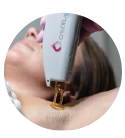
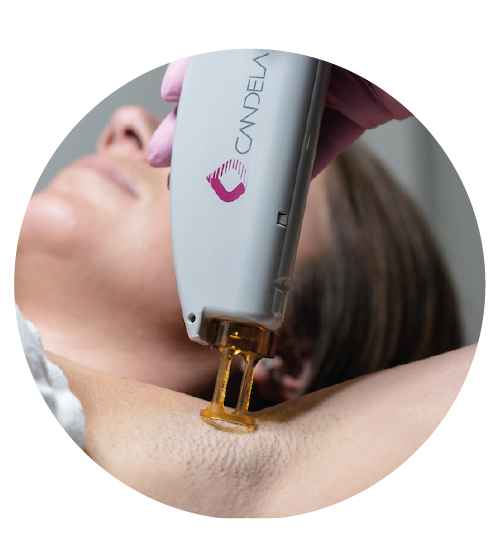
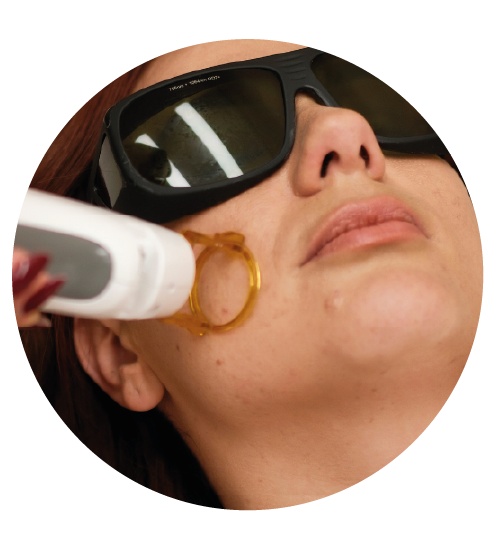
Laser Hair Removal
We use a concentrated beam of light to remove unwanted hair. The laser damages the hair follicle to slow or inhibit future growth without affecting the surrounding skin.
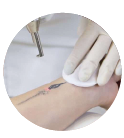
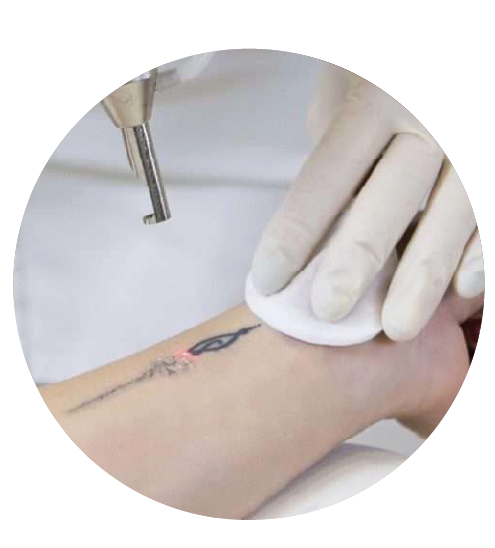
Laser Tattoo Removal
High-intensity light pulses break down the ink particles deposited in the dermis into much smaller fragments, allowing the body’s immune system to gradually eliminate them.
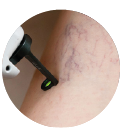
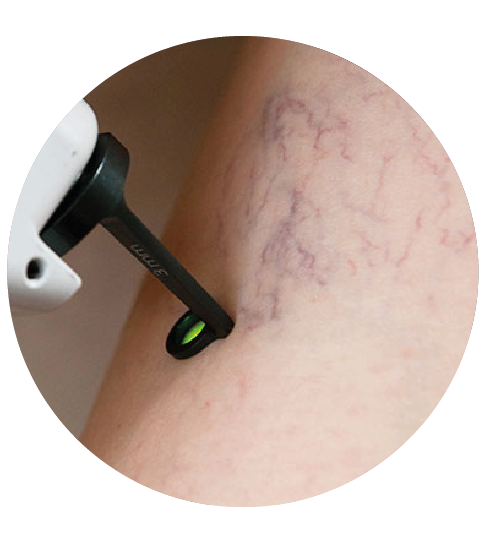
Laser Spider Veins Removal
It targets spider veins or small varicose veins. The laser heats the blood inside the vessel, causing the vein to collapse and seal shut, so that it can then be absorbed by the body.
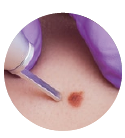
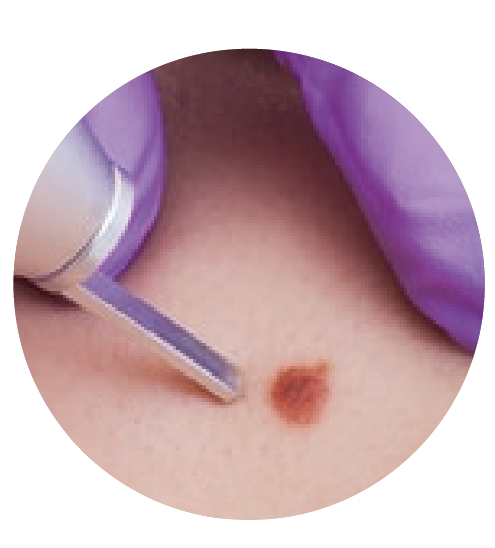
Laser Cherry Angiomas Removal
A quick method for removing bright red spots (cherry angiomas) on the skin. The laser selectively vaporizes the blood vessels that make up the spot, removing it almost instantly.
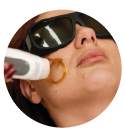
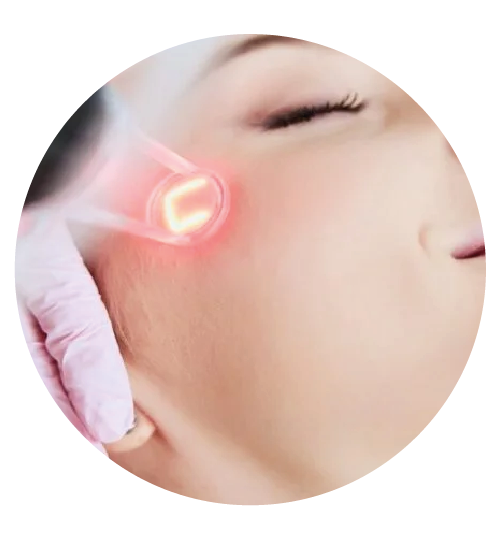
Laser Skin Rejuvenation
A non-invasive treatment that uses light energy to stimulate collagen and elastin production. It helps improve skin texture, minimize pores, and even out skin tone with no downtime.
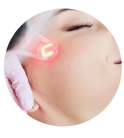
Fractional CO2 Laser
Deep skin renewal that creates thousands of microscopic treatment zones on the skin. It is ideal for treating acne scars, deep wrinkles, and severe sun damage by stimulating intensive cell regeneration.
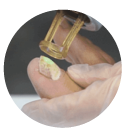
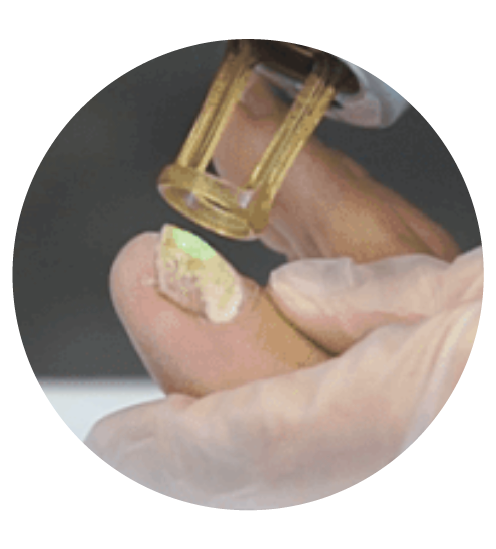
Laser Fungus Removal
An effective treatment for onychomycosis (nail fungus). The laser penetrates the nail to heat the infected tissue and destroy the fungus without the need for long-term oral medication.
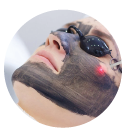
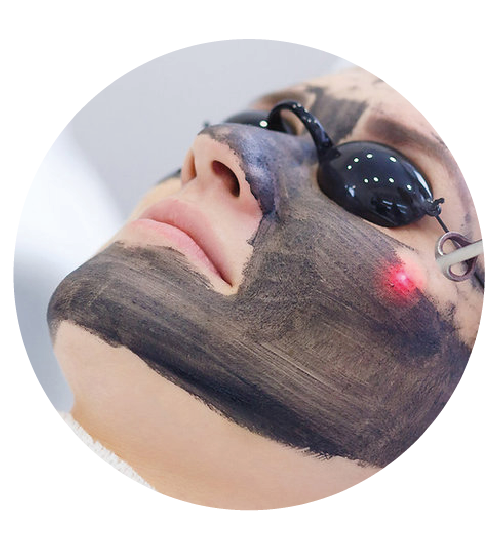
Laser Carbon Peel
Also known as the “Hollywood Peel,” this treatment involves applying a layer of liquid carbon to the face, which is then gently vaporized by a laser. This process exfoliates the skin, deeply cleanses the pores, and instantly brightens the complexion.
PACKAGES
INDIVIDUAL AREA
TESTIMONIALS
Trustindex verifica que la fuente original de la reseña sea Google.
Excelente servicio, la chica es muy atenta y servicial. Los resultados son excepcionales desde la primera sesión ya se hacen notar y sobre todo buenos precios. 1000% recomendada.Publicado en Google
 Mayerlin PetaqueroExcelente experiencia con láser de verdad que es la mejor lo recomiendo 1000% el lugar súper genialPublicado en Google
 andres rinconesSúper recomendado el Lugar y la experiencia con Jessica te hace sentir cómoda Es mi tercera sesión y los resultados son inigualables Gracias 💯 recomendadoPublicado en Google
 Elsa CokaEstoy demasiado feliz de caer en manos de estas mujeres , son demasiado profesionales al momento de realizarme mi láser , desde la 1era sesión el cambio es notorio , gracias chicas son espectacularmente maravillosasPublicado en Google
 Duliana OlivoJessica es excelente! El laser es una maravilla vi cambio desde mi prumera sesion!Publicado en Google
 Yulianna PerezAmazing service by Johana. The best place period!Publicado en Google
 Heydi GarciaExcelente servicio! Ves resultados desde la primera sesión y son super amigables! 100% recomendadoPublicado en Google
 Fabiola JimenezExcellent service and Johana is very professional. 100% recommend.Publicado en Google
 Grecia PulidoJoana es la mejor me a encantado cada sección es espectacular tanto el servicio como los resultados 100% recomendadoPublicado en Google
 Nickyy LVerificado por: TrustindexLa insignia verificada de Trustindex es el símbolo universal de confianza. Solo las mejores empresas pueden obtener la insignia verificada si tienen una puntuación de revisión superior a 4.5, basada en las reseñas de clientes de los últimos 12 meses. Leer más